



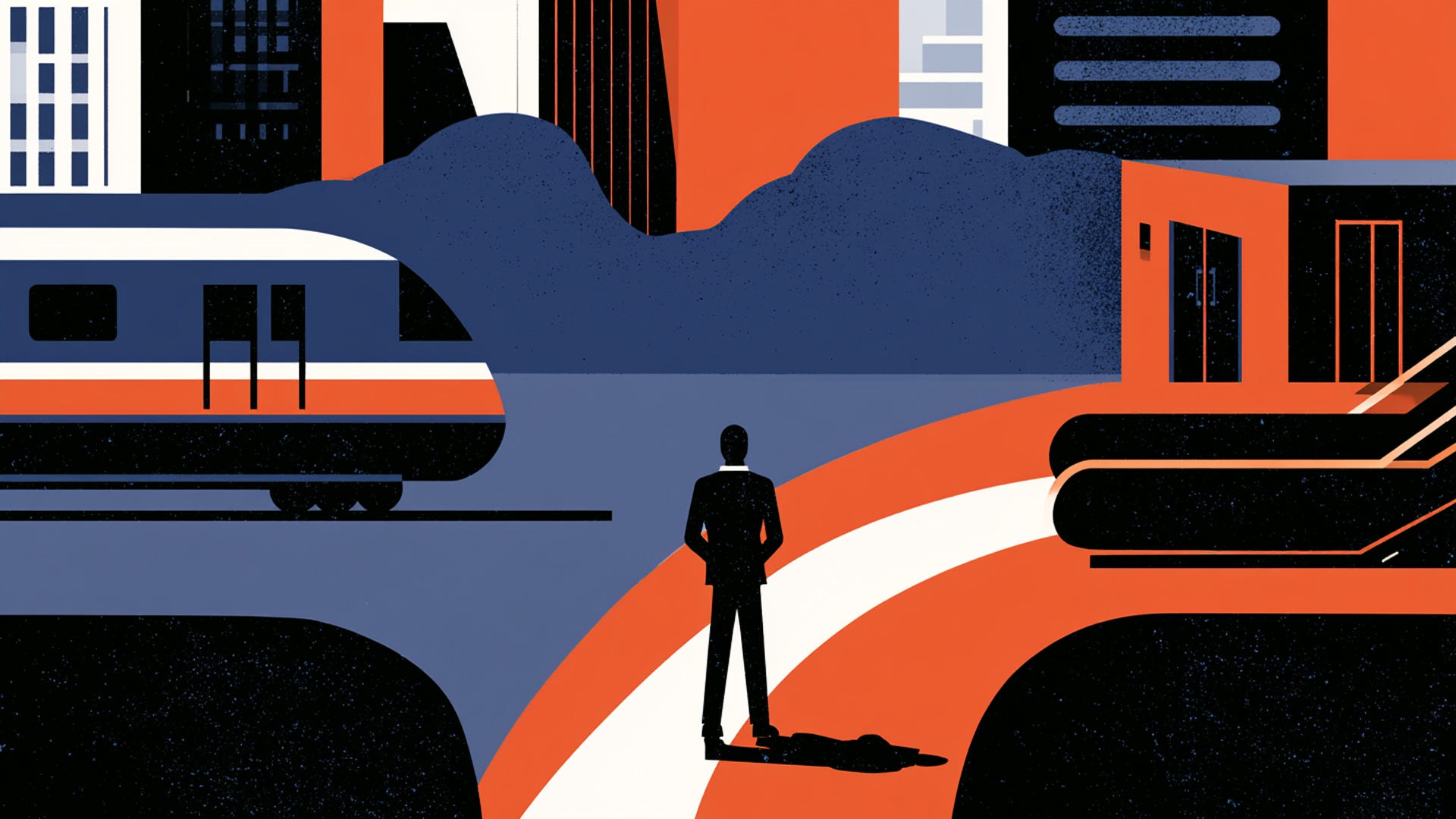
One of the more expensive mistakes you can make in business is also one of the easiest to defend: doing nothing.
It rarely feels reckless. Quite the opposite. Waiting often sounds responsible. We need a little more information. Let’s see how the quarter finishes. Let’s give the campaign another month. Maybe the employee turns it around. Maybe the market improves. Maybe the client comes back. Maybe the product finally catches. There’s always a perfectly reasonable argument for delaying a decision, particularly when making one means admitting that something isn’t working.
Entrepreneurs are especially susceptible to this because persistence is so deeply baked into the mythology of building a company. We celebrate the founder who heard “no” 100 times before finally getting a yes. We tell stories about businesses that survived years of struggle before breaking through. All of that has some truth in it. But perseverance and indecision aren’t the same thing, and the distinction gets harder to see when you’ve already invested time, money, reputation, or some portion of your identity into the outcome.
In my own businesses, I’ve been guilty of this. I’ve certainly kept things going longer than I should have. Ideas. Services. Clients. Strategies. Sometimes because I believed there was still something there, sometimes because changing direction created another pile of work I didn’t particularly want, and sometimes because abandoning something made the effort already spent feel wasted. The irony, of course, is that none of those reasons changes what happens next. Yesterday’s investment is gone either way. The only decision available is what deserves tomorrow’s.
That’s where the cost of waiting becomes easy to underestimate. Businesses tend to account for money that leaves the bank. They’re considerably worse at accounting for opportunity. The employee you tolerate occupies a seat someone better could fill. The mediocre service you continue supporting consumes resources that could strengthen the profitable one. The six months spent debating a hire, acquisition, new market, or technology initiative don’t show up neatly on the P&L as an “indecision expense.” But the expense is there. Competitors move. Markets change. Compounding happens for somebody else.
Good leadership doesn’t require perfect decisions; there aren’t enough perfect decisions available to run a company that way. It requires developing enough judgment to recognize when more information will materially improve the decision and when “more information” has simply become cover for avoiding it. Sometimes the better choice really is to wait. Sometimes the correct answer is no. The problem begins when we pretend that choosing neither has somehow preserved our options. Time has already made a choice for us.
That idea sits at the heart of something Eggs! The Podcast guest Mike Milligan calls the “paralysis penalty.” Milligan, founder of One Oak Financial, uses the concept in the context of money: capital left sitting idle while someone waits indefinitely for certainty can quietly sacrifice years of potential growth. But his argument extends well beyond an investment account. For anyone responsible for allocating money, people, attention, or time, indecision isn’t neutral. It has a return too—and sometimes it’s a terrible one.
When Financial Planning Stops Being Generic
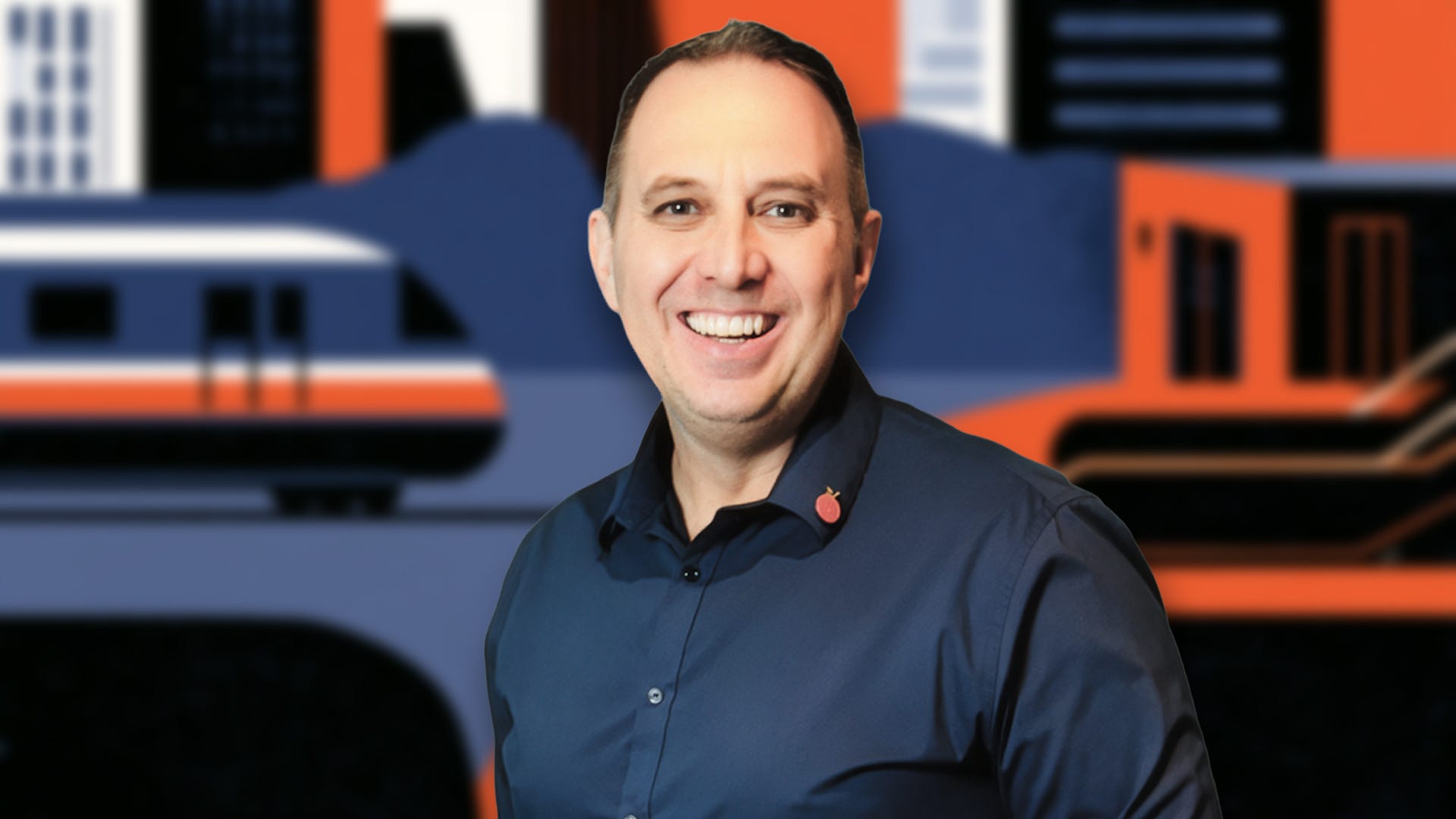
Mike Milligan has spent nearly three decades in financial planning, but his approach was shaped long before he entered the industry. As a kid, he watched his grandmother, Elizabeth, rebuild her life after the death of his grandfather by selling collard sandwiches at construction sites, convenience stores, and fairs. Milligan went along for the ride—learning how to sell, count money, keep track of cash, and, perhaps more importantly, how much ingenuity can come from necessity. He describes his grandmother as someone who “innovated out of desperation,” an early lesson that would later influence the way he thought about entrepreneurship, money, and conventional wisdom.
After college, Milligan entered the traditional wealth-management world, working inside large financial institutions where he quickly became uncomfortable with the industry’s priorities. He recalls Monday meetings centered on revenue targets, loan volume, investment accounts, and insurance policies without much discussion of the actual people behind those numbers. Eventually, that experience pushed him in another direction. In 2012, he went independent and founded what became One Oak Financial, building a firm around the idea that financial planning should begin with the life a client is trying to create rather than a standardized collection of products and benchmarks.
Today, Milligan leads One Oak Financial, writes books, hosts a podcast and radio show, teaches at the university level, and works extensively with entrepreneurs on tax and financial strategy. His books include The One of a Kind Financial Plan and Retirement Déjà Vu, where he develops the idea of the “paralysis penalty”—the very real cost that can accumulate when uncertainty keeps someone from acting. It’s a financial concept on its face, but as our conversation made clear, it has plenty to say about how leaders make decisions everywhere else, too.
The Cost of Waiting for Certainty
Milligan’s “paralysis penalty” starts with money, but the principle applies just as easily to hiring, strategy, product decisions, and the hundred other places leaders can get stuck waiting for perfect information. The goal isn’t to become reckless. It’s to recognize when caution has stopped protecting you and started costing you.
“If you don’t do anything, you’re actually losing at the end of the day.”
Actionable insight: Start treating inaction as one of the options on the table—and evaluate its cost accordingly. A delayed decision consumes time, capital, attention, and opportunity just as surely as a bad decision can.
“At some point you’ve got to take a little bit of a risk… I’ve gotten enough information. I’ve asked enough questions.”
Actionable insight: There’s a point where another meeting, another spreadsheet, or another week of research stops improving the decision. Define what “enough information” looks like before you begin, then make the call when you get there.
“The most powerful question you can ask to see if something is legit or not legit is: why? And then you ask why again, and then you ask why again.”
Actionable insight: When uncertainty is holding up a decision, interrogate the assumptions underneath it. Repeatedly asking why forces vague concerns to become specific—and specific problems are considerably easier to solve.
“Entrepreneurs hold on to ideas that are not revenue producing too long, saying, ‘I’m just gonna give it a little bit more of an opportunity.’”
Actionable insight: Persistence needs a deadline. Establish the evidence an idea has to produce—and by when—before enthusiasm and sunk costs make abandoning it unnecessarily difficult.
“It’s better to sometimes cut losses than it is to keep going down that same path.”
Actionable insight: What you’ve already spent is gone. The useful question is whether you would invest the next dollar, week, or year knowing what you know today. If the answer is no, history isn’t a good enough reason to keep going.
“If you’re waiting, you’re losing to the process.”
Actionable insight: Waiting for conditions to become perfect usually means someone else gets to operate while you observe. Markets move, competitors learn, employees develop, and opportunities compound. The cost of being late is often invisible until it’s permanent.
“If you don’t have control of your calendar, you really don’t own a business. You just own a job.”
Actionable insight: Indecision can become operational, too. If every important choice still has to pass through the founder, the organization eventually moves at the founder’s speed. Building leaders who can make good decisions without you isn’t just delegation—it’s how the company gets its velocity back.
Make the Decision Before Time Makes It for You
There’s a version of patience that is disciplined, and there’s a version that is just fear dressed up as prudence. The trouble is they often look exactly the same from the inside. Both involve waiting. Both can be defended with data. Both can sound reasonable in a meeting. The difference is whether the delay is buying you something useful or simply postponing the discomfort of choosing.
That’s the part of the paralysis penalty that matters most to leaders. Every meaningful decision carries some uncertainty. There is no clean moment when the market becomes obvious, the hire becomes risk-free, the strategy becomes guaranteed, or the numbers remove every possible objection. Leadership is partly the work of deciding anyway—after enough diligence, with enough conviction, and with enough humility to change course if the evidence changes.
The aim isn’t speed for its own sake. It’s movement with intent. Make the decision, measure what happens, and stay willing to adjust. Because while a wrong move can cost you, standing still has a price too. And in business, that price is usually paid quietly, over time, in opportunities you never get back.
Thanks for reading.
—Ryan
If you’re ready for life to feel more intentional, more aligned, and more within your control, this guide gives you the structure to make that shift real. Your next version starts with a single decision. Get the field guide
Ready for more?
Catch the interview in its entirety on Eggs! The Podcast.
Don’t miss a show! Subscribe on Spotify, Apple Podcasts, or really anywhere great podcasts are found.
Path Picks
Cool stuff to help you forge your path to greatness.
Note: The Path Weekly is reader-supported. As such, I may be using affiliate links below. If you want to support the newsletter at no additional cost to you, please consider using the links below. If you’d rather not, most items below are widely available anywhere you want to shop. Thanks! –R
Reading list
If you're looking to go deeper on the themes from this week's newsletter, here are a few books that pair well with the conversation and offer a broader perspective:
Thinking in Bets — Annie Duke
Most consequential decisions have to be made before all the facts are available. Drawing on her experience as a professional poker player, Duke makes a useful distinction between the quality of a decision and the outcome it happens to produce. A great antidote to the idea that good leadership means waiting until you can be certain.Quit: The Power of Knowing When to Walk Away — Annie Duke
Persistence gets most of the good press, but knowing when to stop can be just as valuable. Duke examines sunk costs, escalation of commitment, status quo bias, and the other forces that keep smart people pouring resources into things that no longer make sense. It pairs particularly well with Mike’s warning that entrepreneurs routinely hold onto non-producing ideas for too long.The One of a Kind Financial Plan — Mike Milligan
The philosophy behind much of this week’s conversation. Milligan pushes against one-size-fits-all financial advice and argues that a plan should begin with what someone is actually trying to accomplish, rather than a predetermined collection of products or benchmarks. The financial application is specific, but the larger lesson—question conventional wisdom and make intentional choices—is useful well beyond money.
More to explore
Learn more about our featured guest — start here:
Mike Milligan — More from Mike, including his writing, financial education, speaking, and planning work. MikeMilligan.com
Ideas by Mike™ — Mike’s podcast exploring financial planning, money, purpose, and the thinking behind his one-of-a-kind approach. Listen to Ideas by Mike™
1 OAK Financial — The financial planning firm founded by Mike and the home of his individualized planning approach. Explore 1 OAK Financial
Would you like a personal introduction to this or any of the incredible leaders featured in The Path Weekly to explore business or other collaborative opportunities?
Contact me here to learn more about my B2B matchmaking service.
Want to put your brand in front of 13,000+ business and technology leaders each week? Contact me to learn more about sponsorship opportunities.
Work with me
RŌG Health - A commercial readiness and strategy firm for medtech companies, helping CEOs identify what’s blocking growth and make clear, de-risked decisions around commercialization, partnerships, and fundraising.
https://roghealth.com
Ryan Roghaar - Artist/Creative Director/Author
https://rogha.ar
Eggs! The Podcast - https://www.eggscast.com
Get featured
Do you want to be featured in a future edition of The Path Weekly?
Contact me to learn more.