



Many people don’t realize they’re part of something until they’re already in the middle of it.
Think about what it means to be a fan of a team. You show up because you care. So does the person next to you, and the person next to them. Everyone is there for their own reasons, with their own history with the team, their own stake in the outcome. Nobody coordinated it. But put enough of those people in the same room and something larger emerges — shared context, shared investment, a common cause that nobody had to organize because everyone already believed in it. The team is on the field doing the work. The fans are just being fans. And somehow, together, they’ve built something bigger than either could have built alone.
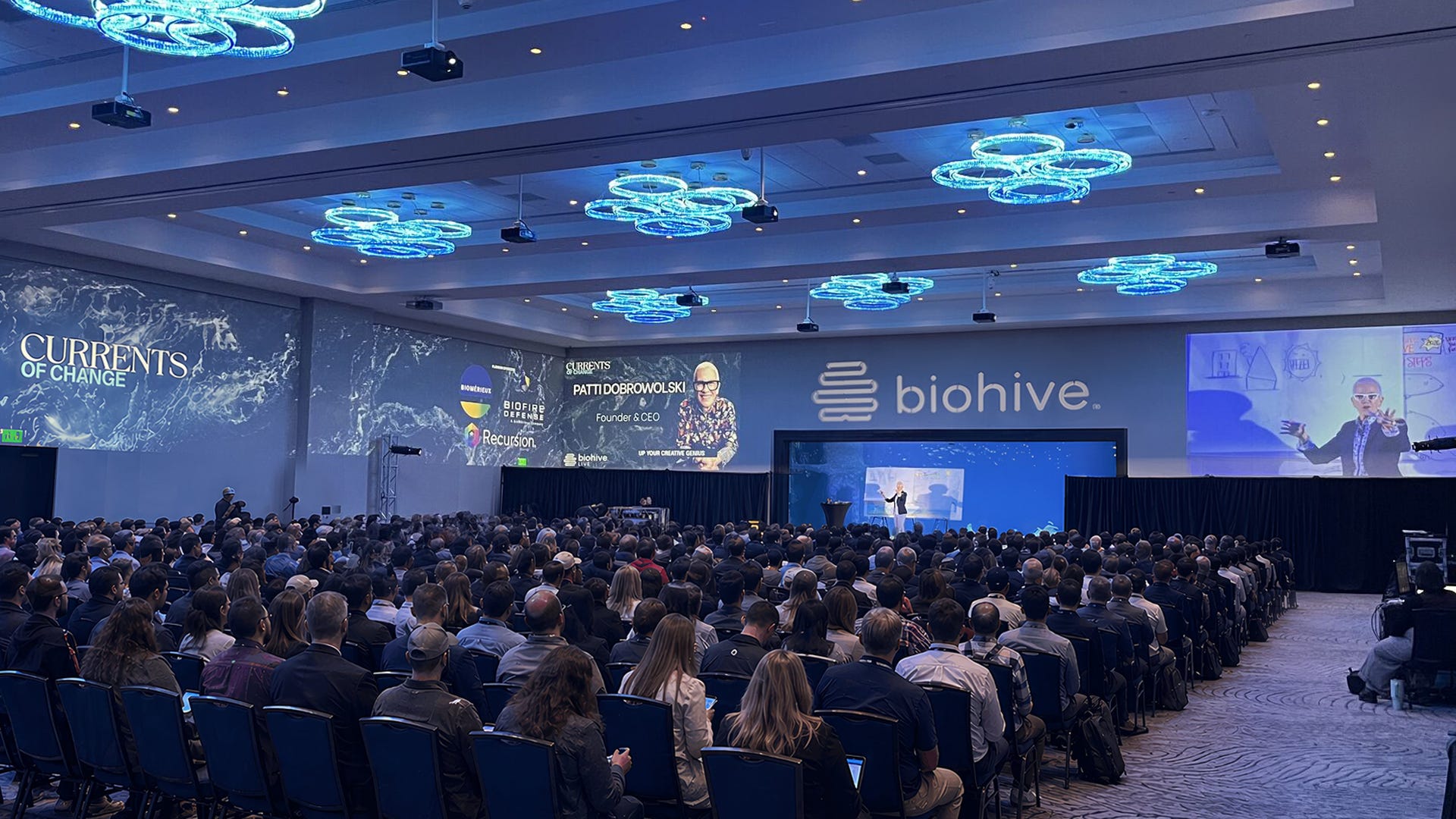
Business communities are no different, and last week in Salt Lake City, I got to watch it happen in real time.
I had the chance to attend BioHive Week, a collection of life sciences events organized by BioHive — one of the primary organizations bringing together Utah’s life sciences and healthcare innovation community. Medical devices, diagnostics, biotech, research institutions, the companies that support them — over the course of the week, that entire ecosystem gets pulled into the same orbit through a mix of events spanning early-stage ideas all the way up to established players.
What stood out wasn’t any single event, but how consistent the environment felt across all of them.
You could move from a social setting to a pitch event to a room full of executives and see the same basic behavior. People were willing to engage. They made introductions. They pointed each other in useful directions. Not in a forced way, and not as some coordinated effort. It just seemed to be how things worked.
That matters because everyone is still doing their own work. Every company is trying to build, raise capital, ship product, solve its own problems. There’s no shared outcome everyone is directly tied to. And yet there’s a clear sense that the system itself has value — and that contributing to it, when the opportunity is there, is just part of how you operate.
In a space like life sciences, that kind of environment has real consequences. The work is slow, complicated, and expensive. You don’t move quickly through regulatory pathways or clinical validation. You don’t shortcut your way into trust with providers or patients. So the ability to learn from someone who’s a few steps ahead, or to get pointed in the right direction without losing months figuring it out yourself, matters more than it would somewhere else.
Over time, those small interactions add up. The next company doesn’t start from scratch. The next founder has better access than the last one did. The next decision gets made with a little more context behind it. Nobody planned it that way. Nobody sat down and designed a system for transferring knowledge and opening doors. It’s what happens when enough people are doing hard things in the same place for long enough — they start to recognize each other, trust each other, and operate like they’re part of something larger, even if nobody ever says it out loud.
And once that shift happens, it compounds.
Utah’s life sciences sector has quietly become one of the fastest-growing hubs in the country, and when you’re standing inside the community watching how people actually behave with each other, the growth stops feeling like a coincidence. It starts looking like the inevitable result of how these people choose to operate.
When I launched RŌG Health, our medtech commercialization advisory, earlier this year, we weren’t sure what kind of reception we’d get stepping into a space we were somewhat new to. What we found was that the door wasn’t closed by default. Conversations weren’t hard to get into. People pointed us somewhere useful more often than not. That’s not something you can assume in every market, and it’s not something that happens by accident in this one.
Utah’s life sciences ecosystem is earning a lot of attention right now, and most of that conversation is about growth — more companies, more capital, more visibility. That’s all real. But underneath it, and probably more important, is how people are choosing to operate while that growth is happening. BioHive is clearly playing a role in creating the conditions for it. The strength of it, though, comes from how individuals show up once they’re there — and the fact that enough of them keep showing up the same way.
Everyone is still responsible for their own outcome. But whether they realize it or not, they’re building in the same direction — together.
That distinction — between a market and a community — might be the clearest explanation for how this ecosystem got where it is. And if the behavior holds, it’s probably where it’s going.
Thanks for reading.
—Ryan
If you’re ready for life to feel more intentional, more aligned, and more within your control, this guide gives you the structure to make that shift real. Your next version starts with a single decision. Get the field guide
The Path is sponsored by: Taelor Style

A better way to dress for men on the go
Taelor is a subscription menswear service built for professionals and men on the go. Using AI and real stylists, Taelor curates outfits that fit your lifestyle—no shopping, no laundry, no decision fatigue. If you want to look sharp without spending mental energy on it, use code PATH at checkout for 25% off your first order.
More to explore

Biohive Utah – Building, branding, and bringing together Utah’s life sciences and healthcare innovation community
Biohive Week – Utah’s annual celebration of life sciences and healthcare innovation, combining flagship events BioHive Live and the Best of BioHive Awards Gala with week-long community and partner-led programming.
Andrew Robertson – Executive director, BioHive Utah
Would you like a personal introduction to this or any of the incredible leaders featured in The Path Weekly to explore business or other collaborative opportunities?
Contact me here to learn more about my B2B matchmaking service.
Want to put your brand in front of 13,000+ business and technology leaders each week? Contact me to learn more about sponsorship opportunities.
Work with me
RŌG Health - A commercial readiness and strategy firm for medtech companies, helping CEOs identify what’s blocking growth and make clear, de-risked decisions around commercialization, partnerships, and fundraising.
https://roghealth.com
Ryan Roghaar - Artist/Creative Director/Author
https://ryanroghaar.com
Eggs! The Podcast - https://www.eggscast.com
Get featured
Do you want to be featured in a future edition of The Path Weekly?
Contact me to learn more.